
Fatih Çevikkollu
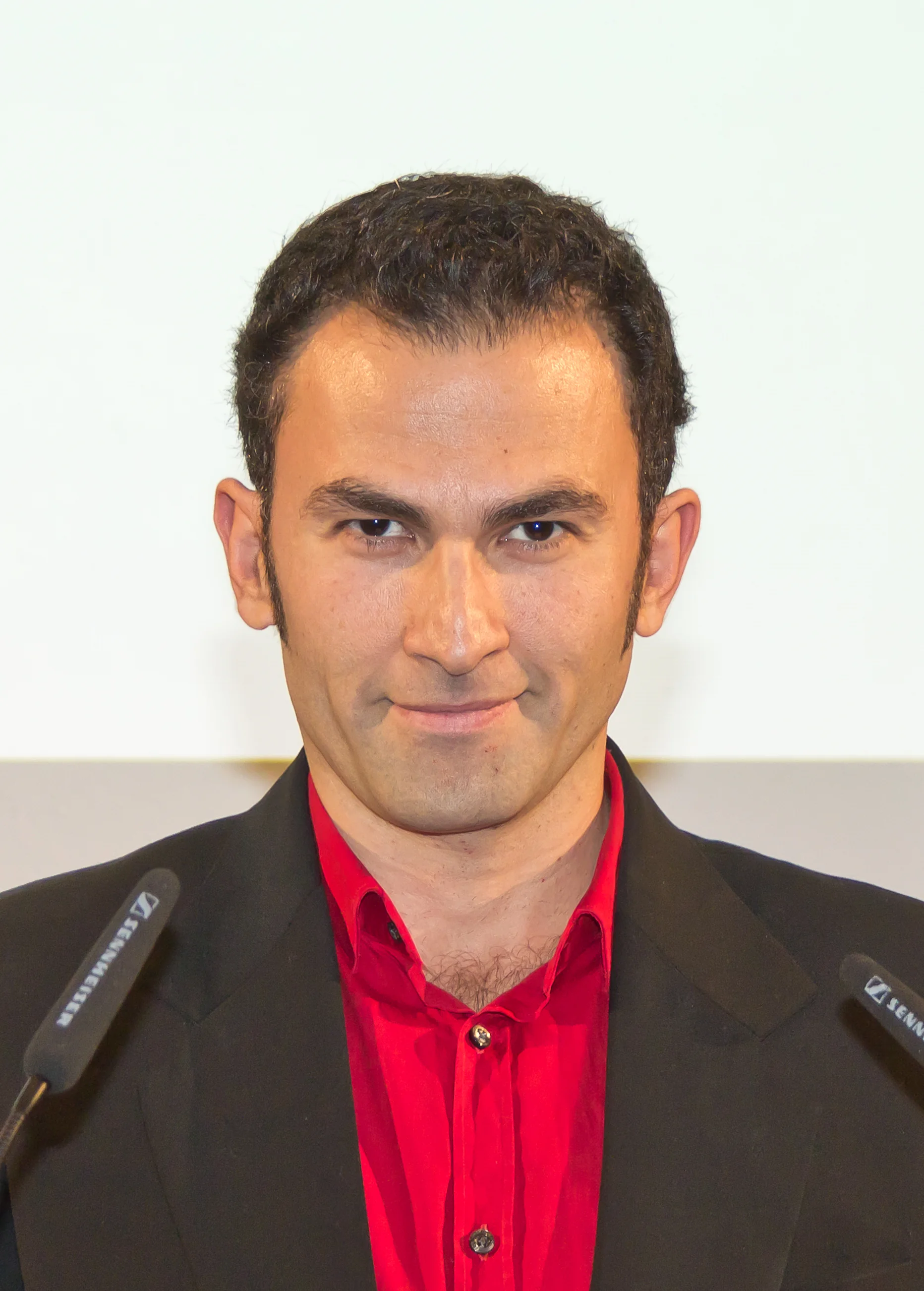
Image from Wikipedia
Image from Wikipedia
Fatih Çevikkollu: Cabaret, Acting, and Social Observation with Attitude
An Artist Between Stage, Literature, and a Political Perspective
Fatih Çevikkollu, born on April 16, 1972, in Cologne, is one of the most distinctive voices in German cabaret and intercultural stage art. As a theater, film, and television actor, cabaret artist, and author, he combines biographical experience with a sharp analytical lens on migration, identity, and societal contradictions. His work thrives on linguistic precision, satirical emphasis, and a stage presence that intertwines personal history with political reflection into a unique signature. ([de.wikipedia.org](https://de.wikipedia.org/wiki/Fatih_%C3%87evikkollu))
Early Years and Artistic Influence
Çevikkollu's perspective is closely linked to Cologne and the experience of a Turkish-German family history. In his later book Kartonwand, he describes growing up as a child of Turkish parents, the family's labor migration, and the psychological consequences of living in provisional circumstances. This biographical background shapes not only his texts but also his stance on stage: he tells from a lived experience that connects personal memory with societal diagnosis. ([de.wikipedia.org](https://de.wikipedia.org/wiki/Fatih_%C3%87evikkollu))
His artistic development early on reveals that he is not interested in narrow genre boundaries. Instead of pure stand-up comedy, he employs a form that intertwines stand-up, cabaret, rap, hip-hop, and poetry. It is precisely this mix that makes his musicality visible in a broader sense: rhythm, punchlines, and linguistic dynamism are as crucial in his performances as content and political acuity. Çevikkollu uses language like an instrument to make social tensions audible. ([de.wikipedia.org](https://de.wikipedia.org/wiki/Fatih_%C3%87evikkollu))
The Breakthrough with Fatihland and Prix Pantheon
With his first solo program Fatihland, Çevikkollu made a significant step into the public eye in 2006. For this program, he received the Jury Award of the Prix Pantheon, an accolade recognizing his ability to combine political cabaret with intelligent form and a distinctive tone. The jury emphasized that good cabaret with him not only entertains but also serves to make sense of it and resonates in the minds of the audience. ([de.wikipedia.org](https://de.wikipedia.org/wiki/Fatih_%C3%87evikkollu))
Notably, he also played a role in the Cologne Carnival: in the 2008/09 session, he was the first speaker with Turkish roots at the Cologne Carnival. With this, he crossed a cultural threshold and showed how open and adaptable regional traditions can be when enriched by new perspectives. Çevikkollu exemplifies an art form that does not confuse closeness to the people with simplification but infuses it with attitude and presence. ([de.wikipedia.org](https://de.wikipedia.org/wiki/Fatih_%C3%87evikkollu))
From Acting to Satire: Presence in Film and Television
Alongside his cabaret work, Çevikkollu established himself as an actor in film and television. According to Wikipedia, he was seen in the series Alles Atze from 2000 to 2007; he also appeared in the films Tattoo (2002), Eierdiebe (2003), and Asyland (2015). This versatility enhances his profile: he is not only a stage artist but also an actor who effortlessly masters comedic, serious, and socially critical registers. ([de.wikipedia.org](https://de.wikipedia.org/wiki/Fatih_%C3%87evikkollu))
His work across various media amplifies the impact of his themes. Whether on stage, on television, or in literary formats: Çevikkollu remains committed to a tone that combines observation and self-reflection. This is where his authority as an artist lies, as he does not speak abstractly about integration and belonging but from a concretely lived experience. ([de.wikipedia.org](https://de.wikipedia.org/wiki/Fatih_%C3%87evikkollu))
Authorship and Literary Concentration
As an author, Fatih Çevikkollu has also carved out a significant place for himself. In 2008, he published Der Moslem-TÜV with Sheila Mysorekar, a satirical book that acerbically comments on German outrage culture. In 2007, he contributed a biographically tinted piece titled Der Integrator to an anthology on postcolonial perspectives. These texts show that he engages with the public stage not only performatively but also essayistically and literarily. ([de.wikipedia.org](https://de.wikipedia.org/wiki/Fatih_%C3%87evikkollu))
With Kartonwand, published in 2023, Çevikkollu presents his most personal and likely also his most mature non-fiction work to date. In it, he recounts the life of his Turkish family, the mental illness of his mother, and the consequences of labor migration that have shaped generations. The publisher describes the book as a moving family story about the traumas of the guest worker generation; reviews from NDR, WDR 2, Der Spiegel KulturSpiegel, and BR Fernsehen emphasize the emotional weight and social relevance of the work. ([kiwi-verlag.de](https://www.kiwi-verlag.de/buch/fatih-cevikkollu-kartonwand-9783462310337))
Musical and Linguistic Signature
Although Fatih Çevikkollu is not a musician in the strict sense, his art possesses a distinctly musical structure. His programs work with rhythm, tempo, repetition, and variation; these means grant his language a stage that oscillates between composition and improvisation. The combination of cabaret, rap, hip-hop, and poetry in Fatihland reflects a performance understanding that consciously employs sound, timing, and intonation as dramaturgical tools. ([de.wikipedia.org](https://de.wikipedia.org/wiki/Fatih_%C3%87evikkollu))
This form of linguistic composition makes his performances particularly compelling. Çevikkollu builds punchlines not only through content but also through pauses, emphases, and controlled increases in tension. This creates the stage energy that keeps political cabaret alive and prevents it from falling into mere preaching. His artistic development shows: attitude gains power when form and content are precisely aligned. ([de.wikipedia.org](https://de.wikipedia.org/wiki/Fatih_%C3%87evikkollu))
Cultural Influence and Social Relevance
Fatih Çevikkollu represents a perspective in the German cultural landscape that treats migration experience not as a marginal topic but as a central societal narrative. In Kartonwand, it becomes clear how profoundly the history of so-called guest worker families continues to resonate today. Reviews highlight that his book sharpens the view on intergenerational wounds and initiates debates about belonging, mental burdens, and the feeling of being in between. ([kiwi-verlag.de](https://www.kiwi-verlag.de/buch/fatih-cevikkollu-kartonwand-9783462310337))
His awards affirm this cultural significance. In addition to the Prix Pantheon, he has received the Sprungbrett Cabaret Prize from Handelsblatt, the Culture Prize of the Sparkassen Cultural Foundation Rhineland, the Audience Award sPEZIALiST 2019, the St. Ingberter Pfanne, and in 2023, the Münsterland Cabaret Prize. This collection of awards makes clear how sustainably his work is perceived and how strong his profile as a socially critical artist is. ([de.wikipedia.org](https://de.wikipedia.org/wiki/Fatih_%C3%87evikkollu))
Current Projects and Stage Presence
Çevikkollu will remain present in the upcoming seasons. His schedule for 2026 and 2027 lists numerous performances with programs like KI-Kritische Intelligenz, Doppelte Spaßbürgerschaft, 5 i bir yerde, Gag & Breakfast, and Kartonwand. Additionally, he will host events and readings, including with Michel Abdollahi, further sharpening his role as a stage artist and cultural political discussion partner. ([fatihland.de](https://fatihland.de/termine/))
The current program lineup shows an artist who does not rest on a past success. Instead, he continually develops his themes and maintains contact with the audience through stage, reading, and discourse. This encapsulates the tension of his broader musical career: a life on and behind the stage, sustained by language, rhythm, and a clear societal position. ([fatihland.de](https://fatihland.de/termine/))
Conclusion: A Distinctive Artist with Political Depth
Fatih Çevikkollu remains intriguing because he never separates entertainment from responsibility. He connects cabaret, acting, and literature into an artistic form that transforms personal experience into societal insight. Anyone who experiences him live encounters an artist who works with wit, seriousness, and precise observation, and in doing so, resonates long after. ([de.wikipedia.org](https://de.wikipedia.org/wiki/Fatih_%C3%87evikkollu))
His stage presence and clear stance make him one of the most prominent voices in the German-speaking cultural space. His programs and books are not mere sequences of numbers but condensed narratives about origin, belonging, and change. A live evening with Fatih Çevikkollu therefore always means: understanding the present, feeling history, and experiencing language as an art form. ([de.wikipedia.org](https://de.wikipedia.org/wiki/Fatih_%C3%87evikkollu))
Official Channels of Fatih Çevikkollu:
- Instagram: No official profile found
- Facebook: No official profile found
- YouTube: No official profile found
- Spotify: No official profile found
- TikTok: No official profile found