
Bläserphilharmonie der Stadt Blaustein
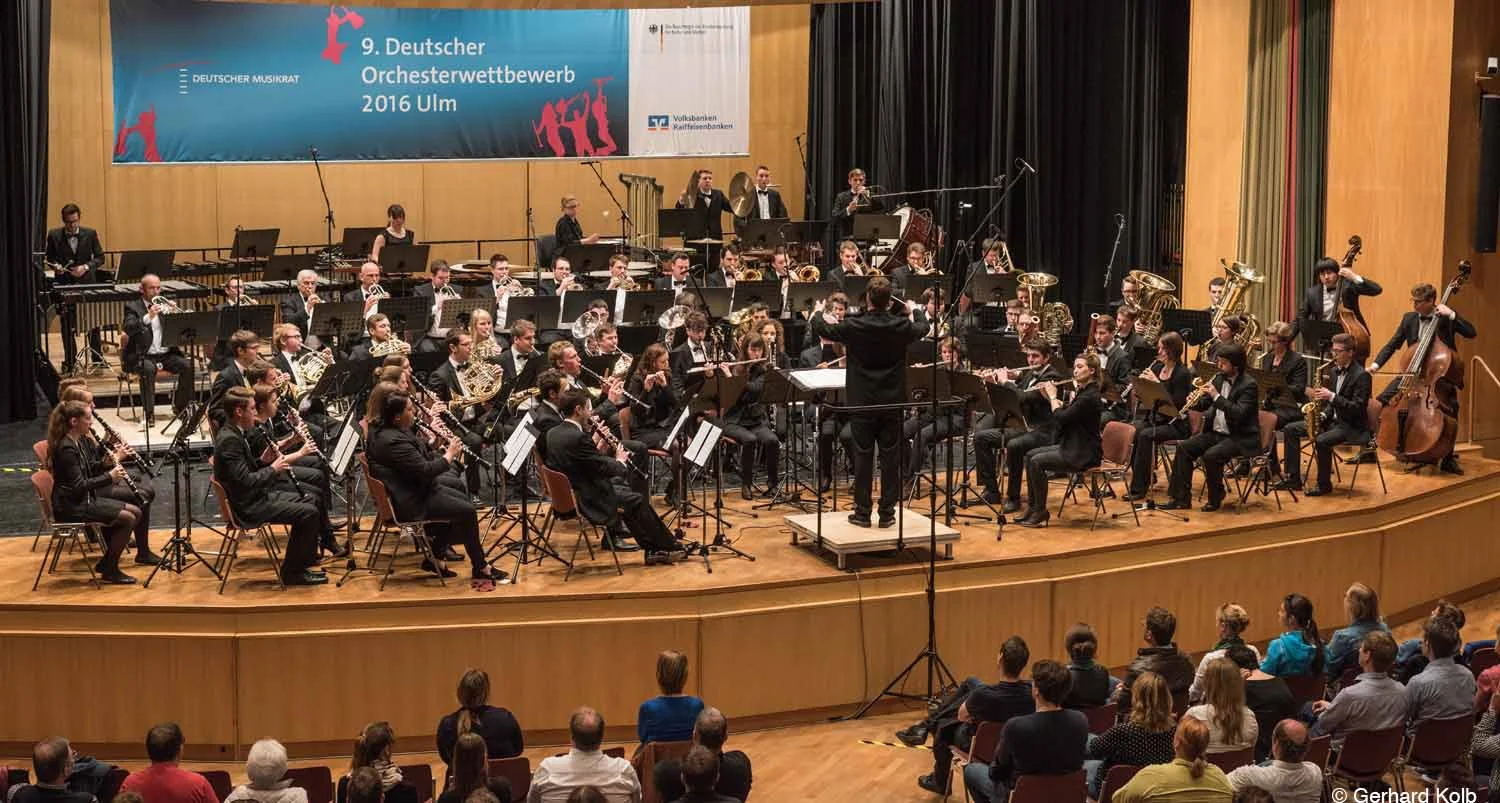
Image from Wikipedia
Image from Wikipedia
Bläserphilharmonie der Stadt Blaustein – Symphonic Wind Music with Regional Impact
An Orchestra Between Tradition, Youth Development, and Sonic Precision
The Bläserphilharmonie der Stadt Blaustein / Musikverein Cäcilia Herrlingen is much more than a traditional wind orchestra in the Ulm area. Since its founding in 1922, the ensemble has evolved from a music association to a symphonic body that combines regional roots with demanding orchestral work. Its profile thrives on musical discipline, stylistic openness, and a repertoire that brings together original works, transcriptions, and selected stage music.
As a cultural institution in Blaustein, the orchestra stands for ongoing development, musical education, and public concert culture. The Bläserphilharmonie not only preserves the grand symphonic wind music but also promotes sustainable youth work through its own music school, youth orchestra, junior orchestra, and other ensembles. This connection of performance and outreach shapes its artistic character.
The Founding in 1922 and the Path to Today's Ensemble
The story begins in 1922 with the founding of the Musikverein "Cäcilia" Herrlingen. From this local initiative, an ensemble emerged over decades that systematically expanded its place in the southern German music scene. The renaming to Bläserphilharmonie der Stadt Blaustein / Musikverein Cäcilia Herrlingen in 2014 marked not only a formal change but also a clear self-understanding: symphonic wind music at a high level.
Today, the orchestra is anchored in Blaustein near Ulm and regularly performs at renowned venues such as the Edwin-Scharff-Haus in Neu-Ulm and the Ulm Pauluskirche. These locations emphasize the ambition to present wind orchestras not just as club music but as a concert cultural experience. The sound of the ensemble is designed for impact in large spaces, transparency in the arrangement, and power in the tutti.
Musical Direction and Artistic Development
A significant figure in its recent development was Manuel Epli, who led the orchestra from 2004 to 2019. His training at music colleges in Arnhem, Enschede, Zwolle, and Salzburg, as well as his work as a guest conductor, juror, and lecturer, reflect the professional standards with which the orchestra was managed. Under this musical leadership, the reputation of the Bläserphilharmonie was solidified as a high-performing symphonic wind orchestra.
The artistic development is also manifested in the continuous refinement of the repertoire. The ensemble moves confidently between original literature of the wind orchestra scene, symphonic transcriptions, and occasional forays into opera, musicals, film, and theater. This creates a sound that brings together tradition and modernity without losing its serious concert aspirations.
Successes, Performance Level, and Competition Culture
In recent years, the Bläserphilharmonie der Stadt Blaustein has been working at the highest difficulty level, making it one of the ambitious formations of its kind. The most significant documented success is the victory at the 9th German Orchestra Competition in 2016 in Ulm, where the ensemble achieved 24.6 out of 25 points. This rating speaks to precision, homogeneity, and remarkable sonic maturity.
Such results do not occur by chance but are the product of years of rehearsal, a pronounced ensemble culture, and a high level of individual commitment. Many members are award-winners from "Jugend musiziert" or hail from selection orchestras. Thus, the orchestra combines amateur involvement with a professionally shaped attitude toward music-making.
Repertoire: Between Original Literature, Transcription, and Concert Dramaturgy
The repertoire of the Bläserphilharmonie der Stadt Blaustein presents a clear profile of symphonic wind music. Central to it are works that challenge the orchestra as a concerting body: differentiated woodwind colors, powerful brass sections, precise percussive accents, and a carefully balanced interplay. This precisely illustrates the musical tension of a good wind orchestra.
Also included are transcriptions from the symphony orchestra repertoire and selected pieces from opera, theater, musicals, and film. This programming expands the aesthetic reach of the orchestra and makes its concerts accessible to a wide audience. At the same time, it shows that wind music at the highest level goes far beyond march tradition and festive entertainment.
Youth Work as the Core of Artistic Identity
A distinctive feature of the association is its structured training program. The ensemble includes a youth orchestra, a junior orchestra, a wind class in cooperation with Lindenhofschule Herrlingen, a percussion class, and groups for early musical education. This breadth creates a pedagogical space in which musical development begins early and is supported in the long term.
The own music school further emphasizes this commitment. It offers lessons for children, adolescents, and adults, thereby strengthening not only the future of the orchestra but also the cultural infrastructure of the region. In a time when many amateur orchestras struggle for new talents, this model acts as a stabilizing and exemplary force.
Concert Culture and Regional Presence
The Bläserphilharmonie is regularly present in public cultural life. Concert programs in Blaustein, Neu-Ulm, and Ulm demonstrate that the ensemble does not confine its musical work to a closed club framework but actively engages with the region. A benefit concert with standing ovations highlights the strong emotional resonance with its audience.
The open-air format in Lindenhofpark and other program brochures also testify to the versatility of orchestral work. Whether it's symphonic wind literature, thematic concert evenings, or festive performances: the Bläserphilharmonie der Stadt Blaustein designs concerts as cultural events with a clear dramatic arc. This strengthens its perception as a serious player in the southern German music scene.
Cultural Influence and Recognition
Beyond musical success, the orchestra also possesses cultural political significance. The awarding of the Pro-Musica plaque in 2006 by Federal President Horst Köhler documents the recognition of the association on a federal level. Such awards are more than just badges of honor: they confirm the sustainable importance of community work, education, and concert practice.
The Bläserphilharmonie der Stadt Blaustein exemplifies a cultural form where volunteer work, education, and artistic aspiration converge. Its influence is evident in the bond of young musicians to orchestral life, in the strengthening of regional concert culture, and in the visible elevation of wind music as an independent art form.
Discography, Publications, and Media Reception
Unlike pop or rock artists, a symphonic wind orchestra does not necessarily have a classic discography with studio albums and hit singles. For the Bläserphilharmonie der Stadt Blaustein, there are no regular album releases, chart placements, or commercial sound recording series available in the present sources. The artistic focus is clearly on live concerts, competition results, and public performance practice.
The critical reception, to the extent accessible from the sources, mainly emphasizes the high level of the programs and the strong audience resonance. Press reports highlight the orchestra's performance capabilities and success in competitions. This creates the image of an ensemble that has built its reputation not through market mechanisms but through quality, repertoire competence, and stage presence.
Current Projects and Musical Presence
Even in the present, the Bläserphilharmonie der Stadt Blaustein remains active and visible. The official concert announcements reference programs for 2024 and 2025, including thematically oriented concert evenings and appearances with guest conductors. This shows that the association continuously maintains its concert calendar and keeps its stylistic openness.
The connection between the main orchestra, youth formations, and the music school makes the current work particularly vibrant. Rather than relying on short-term trends, the ensemble develops its musical career in the best sense of the word in a long-term way: with carefully planned programs, local anchorage, and a clear idea of how wind music can sound in the 21st century.
Conclusion: Why This Wind Orchestra Fascinates
The Bläserphilharmonie der Stadt Blaustein fascinates through its combination of tradition, performance aspirations, and cultural responsibility. It is an orchestra that takes symphonic wind music seriously, fosters youth, and impresses with strong concert programs. Anyone interested in ambitious wind orchestras, regional music history, and sonically precise ensemble work will find an exceptionally cohesive overall picture here.
Particularly the blend of competitive successes, pedagogical depth, and public presence makes this ensemble exciting. A live experience with the Bläserphilharmonie der Stadt Blaustein shows how powerful, colorful, and captivating symphonic wind music can be. Those who listen to the orchestra experience not just music but a living culture.
Official Channels of Bläserphilharmonie der Stadt Blaustein:
- Instagram: https://www.instagram.com/blaeserphilharmonieblaustein/
- Facebook: https://www.facebook.com/bdsb.de/?locale=de_DE
- YouTube: https://www.youtube.com/watch?v=-7dx7e5LMyM
- Spotify: No official profile found
- TikTok: No official profile found
Sources:
- Bläserphilharmonie der Stadt Blaustein – Official Website
- Wikipedia: Bläserphilharmonie der Stadt Blaustein
- Südwest Presse – Benefit Concert: Standing Ovations for Bläserphilharmonie der Stadt Blaustein
- Bläserphilharmonie der Stadt Blaustein – Concerts
- Bläserphilharmonie der Stadt Blaustein – Open Air Program 2022